
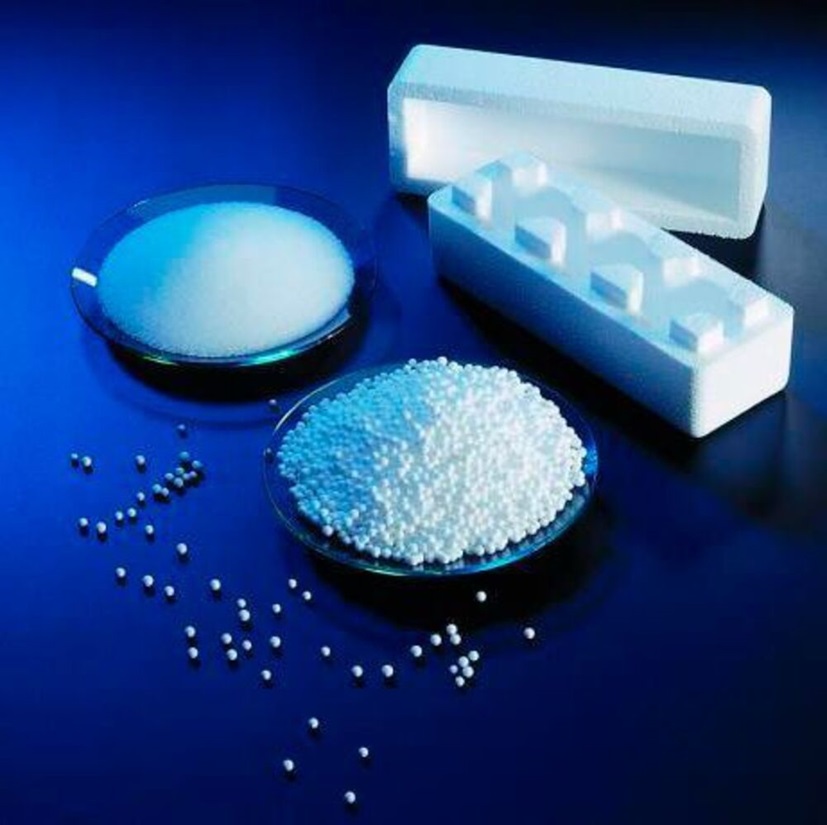
Expanded Polystyrene Foam, or EPS, commonly known as Expanded Polystyrene Rigid Foam, is a material that you frequently encounter in daily life. This material, known for its porous and white structure, is formed by compressing particles. When examined, it can be understood that its structure consists of 98% stagnant air and 2% polystyrene. This material is often one of the first options that come to mind when insulation is mentioned worldwide. You can observe this material as protective equipment when unpacking many items, such as a new refrigerator or washing machine.
Features
-
Lightweight
-
Over 90% air by volume
-
Easy to handle and transport
-
-
Excellent Thermal Insulation
-
Low thermal conductivity
-
Great for buildings, packaging, and cold storage
-
-
Shock Absorbent
-
Commonly used in packaging to protect fragile items
-
-
Water Resistant
-
Doesn’t absorb much water, though it’s not 100% waterproof
-
-
Sound Insulation
-
Helps reduce noise transmission (to some extent)
-
-
Low Cost
-
Inexpensive to produce and use in bulk
-
-
Durable
-
Doesn’t rot, mold, or decompose easily
-
-
Chemically Inert
-
Resistant to most chemicals, except solvents like acetone
-
-
Customizable
-
Can be cut, molded, or formed into various shapes
-
-
Recyclable
-
Can be ground and reused, though recycling is less common in practice
Application Areas
- It should be noted that EPS, commonly thought to be used as insulation and packaging material, has various other applications:
- Decoration
- Road construction
- Filling material in buildings
- Can be used as protective material inside packaging