
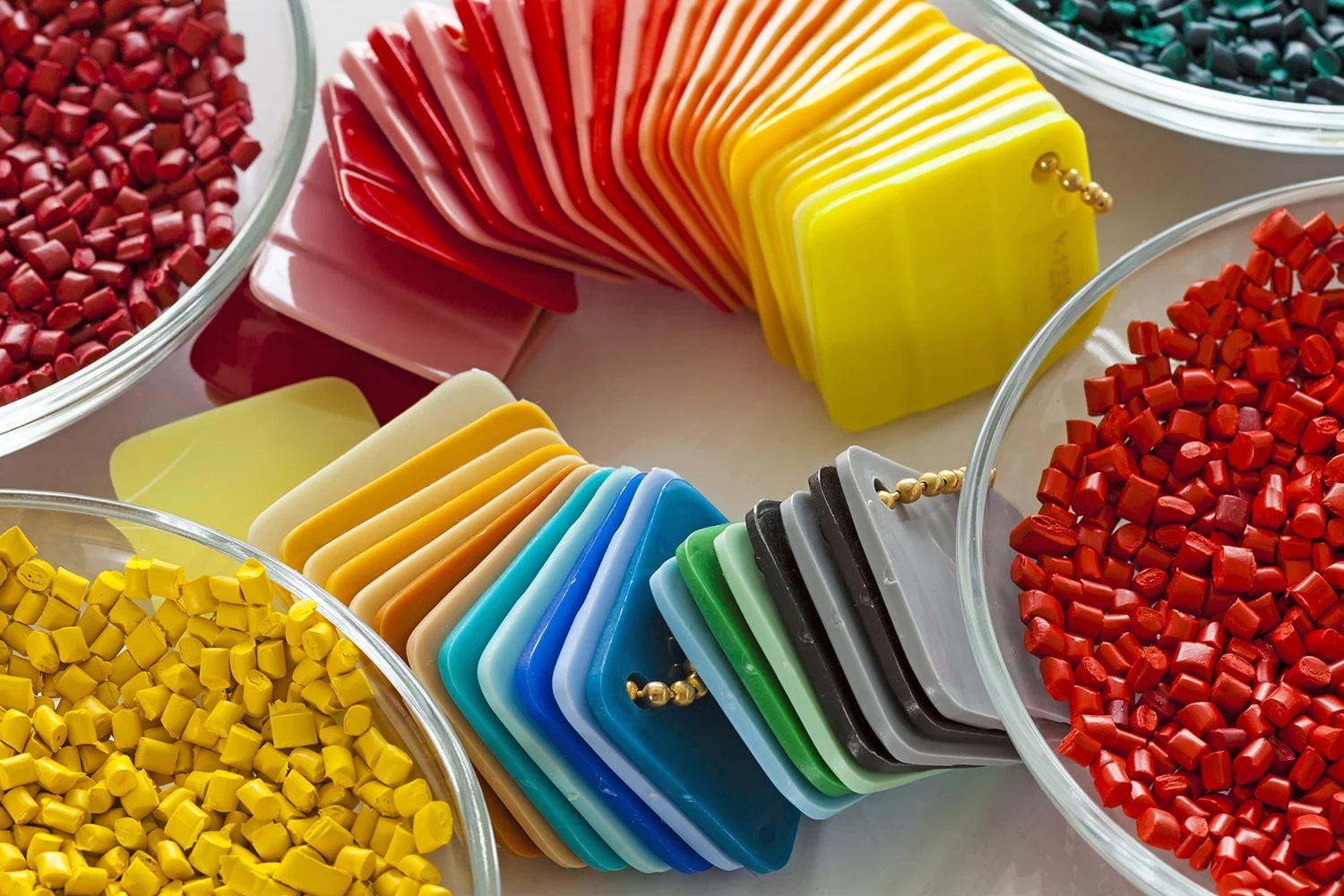
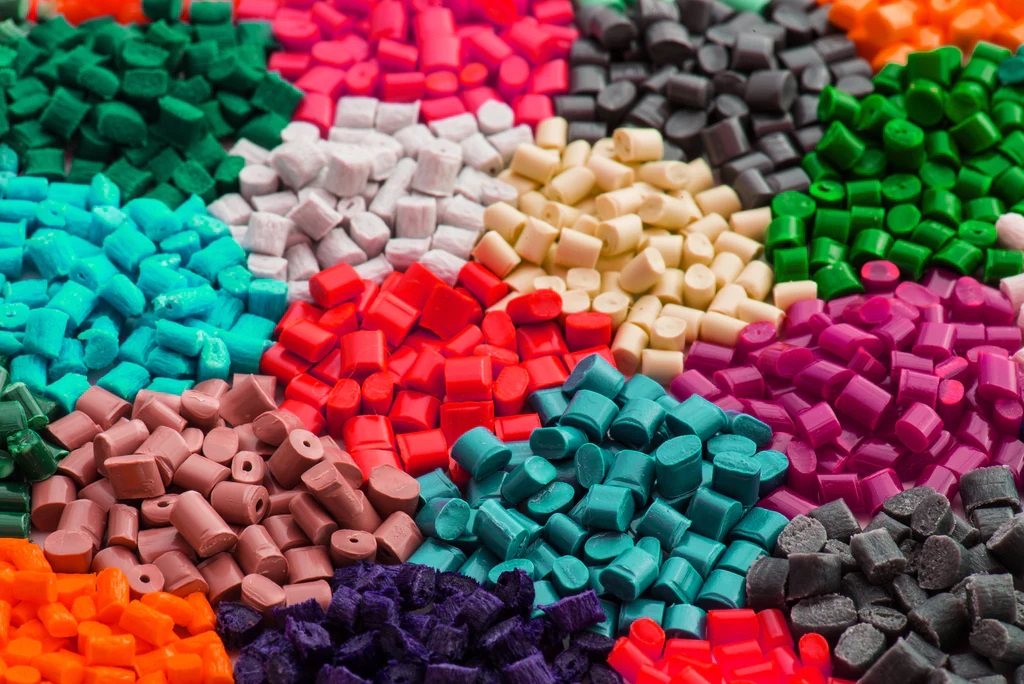
PP, a semi-rigid, transparent, easily moldable, and economical polymer produced through the polymerization of propylene with ZIEGLER-NATTA catalyst. Different types of atactic, isotactic, and syndiotactic PP can be prepared with varying properties. The glass transition temperature of isotactic PP is around -10°C, and its melting temperature is approximately 160°C. PP exhibits good chemical resistance but is affected by chlorine, nitric acid, and other strong oxidizers. While resistant to visible light rays, UV rays can deteriorate the surfaces of materials made from PP. It is combustible but burns slowly. It is non-toxic. When properly modified, it has good heat resistance. PP comes in three types:
- PPH/ Polypropylene homopolymer
- PPC/ Polypropylene block copolymer
- PPRC/ Polypropylene random copolymer
The most significant feature that sets PPRC apart from others is its ability to be used in sanitary installations, as well as its suitability for use in hot water installations and hot plate welding.
The most significant feature that sets PPRC apart from others is its ability to be used in sanitary installations, as well as its suitability for use in hot water installations and hot plate welding.
Features
- Specific Gravity: 0.91 g/cm3
- Tensile Strength: 30-40 MPa
- Elastic Modulus: 1400-1600 MPa
- Impact Resistance: 5-10 kj/m²
- Deformation Temperature: 110 ºC
- Vicat Softening Temperature: 155 ºC
Application Areas
VARIOUS
- Garden furniture
- Electric tools
- Pipe fittings
- Clean-Dirty Water Pipes
- Storage containers and kitchen utensils
- Disposable cup
- Suitcase
- Sterile healthcare supplies
- Air filter
- Test tubes
- Tape
AUTOMOTIVE
- Battery casing
- Bumper
- Front panel
- Interior mirror
- Various handles
- Various interior components
Process Conditions
Pre-drying: It should be baked at 60 ºC for 1 hour.
Processing Temperature: It should be processed at 170-250 ºC.
Polypropylene Product Group
- Homo Polimer
- Blok Kopolimer
- Polipropilen Random Kopolimer